

The Cold Bore Shot: Cold Bore or Cold Shooter?
The "cold bore shot." This has been brought to many people's attention mainly due to cinema and popular media, perhaps even more than the experience of taking a first shot. Let's understand the concept of a "cold bore" shot. Your "cold bore" shot is usually categorized into multiple categories. The first and most common is the first round of the day. The second is letting your rifle cool for one hour, and then you can repeat your "cold bore" shot. Some believe in the first and not the second, and others believe in both. Personally, my experiences have led me to believe neither of the two theories.
Your first shot creates a great deal of heat in the chamber area and continuing down the barrel, friction of the bullet passing through the barrel of which the diameter is smaller than the radius of the projectile creates heat. Next, the explosion, burning powder, and friction also cause higher temperatures. The ambient temperature can bring your rifle to frigid temperatures, and the first round usually creates the greatest leap in barrel temperature. Many argue this can create a different flex within your barrel and cause a point of impact shift after your first or second round.
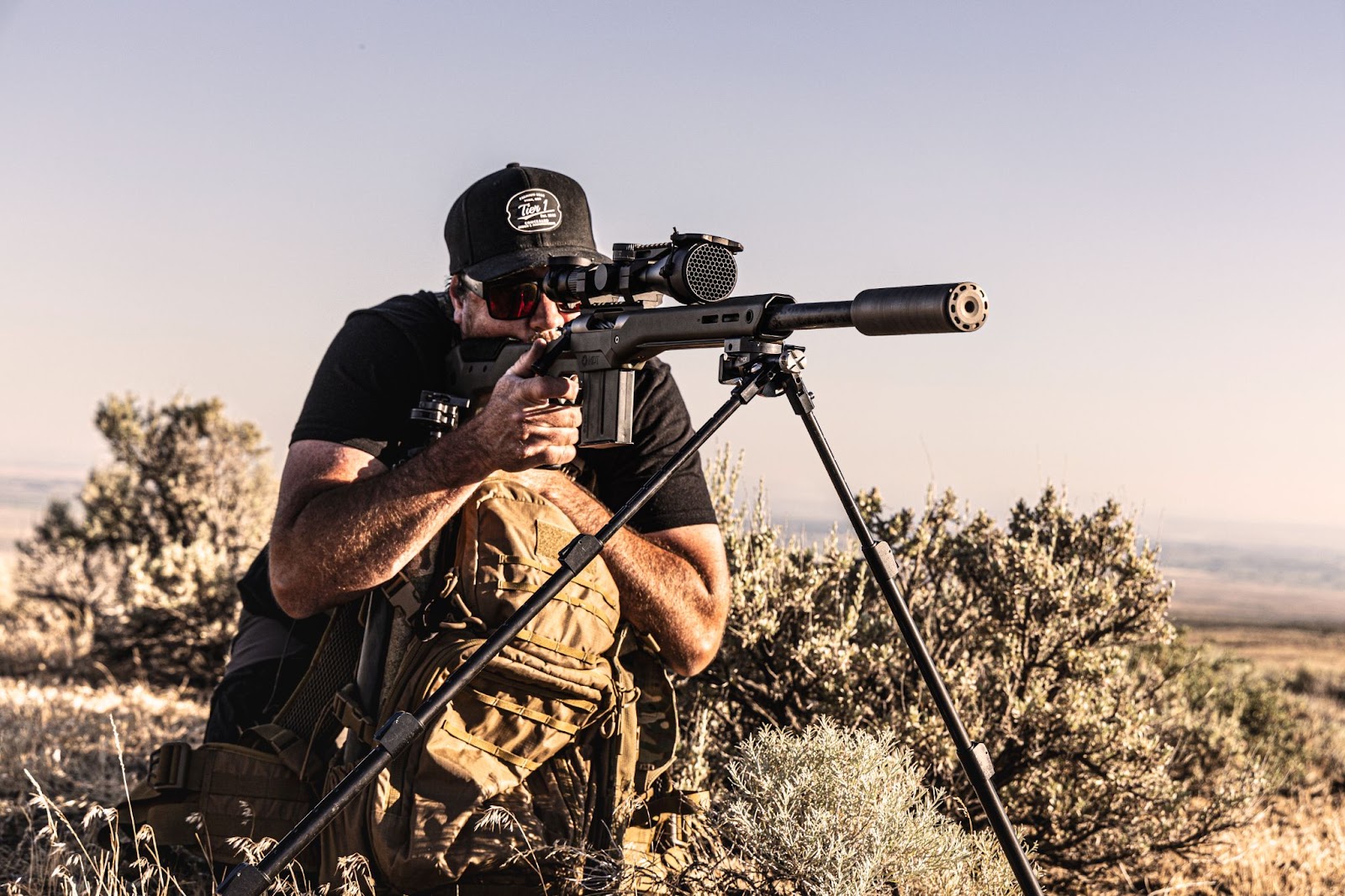
How does this methodology apply to qualifying standards? As a private military contractor, executing Sniper qualifications was a weekly and often daily routine. The first shot in this qualifying course would be considered your cold bore. It requires the highest level of accuracy, whereas others allow a little bit of room for mistakes and even occasional misses. Why is the first shot so important in a qualifying standard? In a perfect world, a sniper or counter-sniper engagement should be rapid target identification, proper range and bullet drop compensation, a quick assessment of the wind, and one accurate shot. Follow-up shots are less likely to be necessary. Create a greater focus on knowing where your first round will go above any follow-on rounds. Why is it so important for a hunter? In a perfect world, on your deer or elk hunt, you'll spot your animal at a distance, stalk into the effective range of you and your rifle, and make a single shot through the heart and lungs. Again, all things being perfect, it should be a single-shot engagement. Many animals will not give you a second shot. This will emphasize the value of knowing your first round of the day, not your third or 15th round.
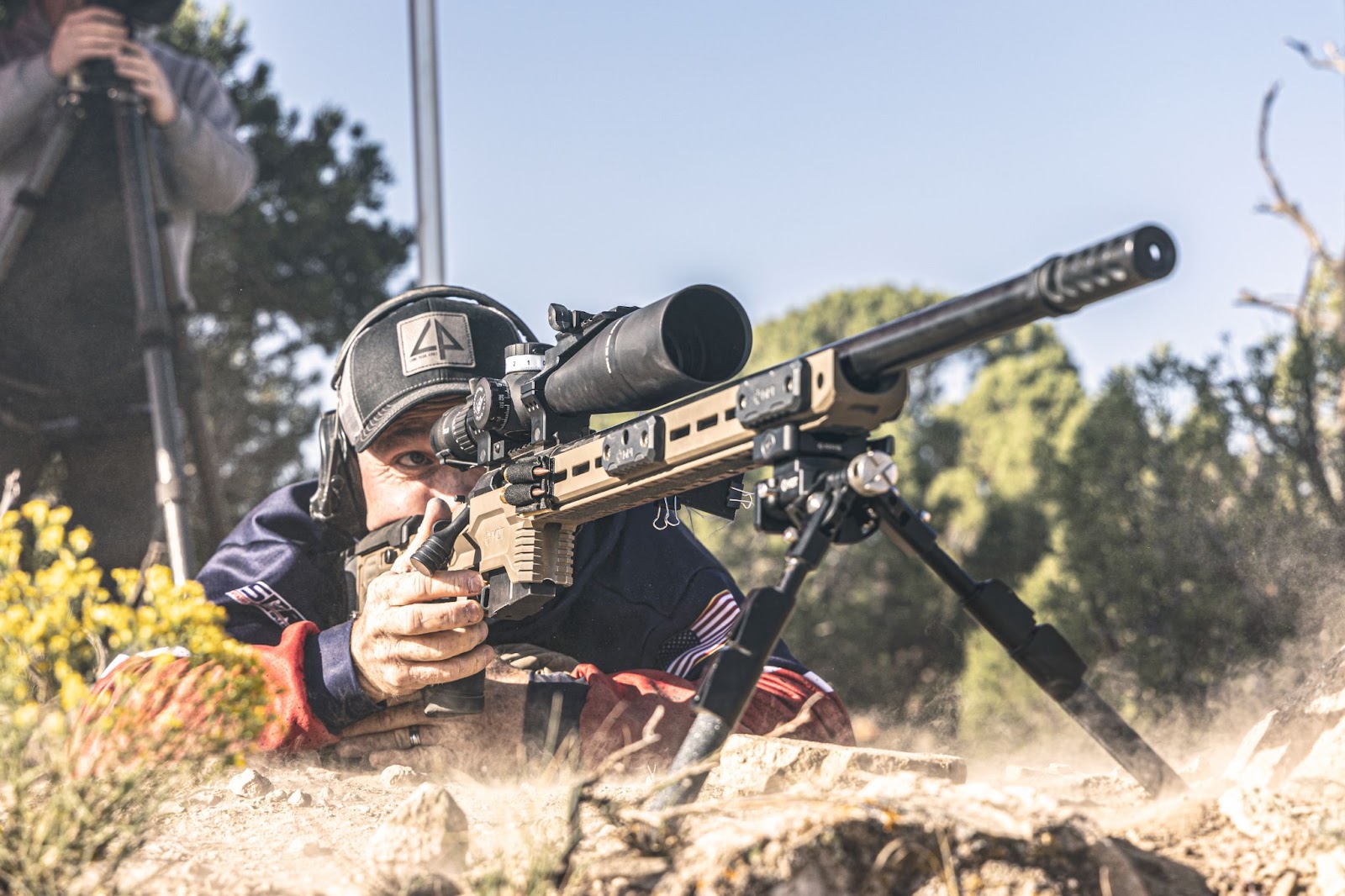
First round hits are absolutely critical while hunting. All photos courtesy of Nick Setting.
What actually changes? I am a big advocate of not believing what I've been told. From a career of reading articles and being told in the military how things "work." I've always been an advocate of asking questions. I especially love asking questions that other people have not yet asked. Given that I teach long-range shooting regularly. I'm on the range teaching classes usually 4-6 times weekly. I can ask many questions and gather a lot of data that many others have not been fortunate enough to experience. With every precision rifle laid down in front of me with the shooter, I will always have them start their day with cold-bored data. This requires five rounds. The first round is counted, as are the second, third, fourth, and fifth. This allows us to delineate if the first or second round places somewhere different than the follow-on three rounds. Often, I find this has nothing to do with metal temperatures. It is more often the cold shooter. Their first round of the day, having not laid down behind the rifle for a few weeks or even months in some cases and preparing mentally and physically to feel the recoil and hear the shot. With an experienced shooter, perhaps one that has been doing this for some time or has recently been shooting, you'll notice that the first round places the same as the fifth round. Often, these shooters can make half-inch groups or better with all five of their first routes, including their cold bore.
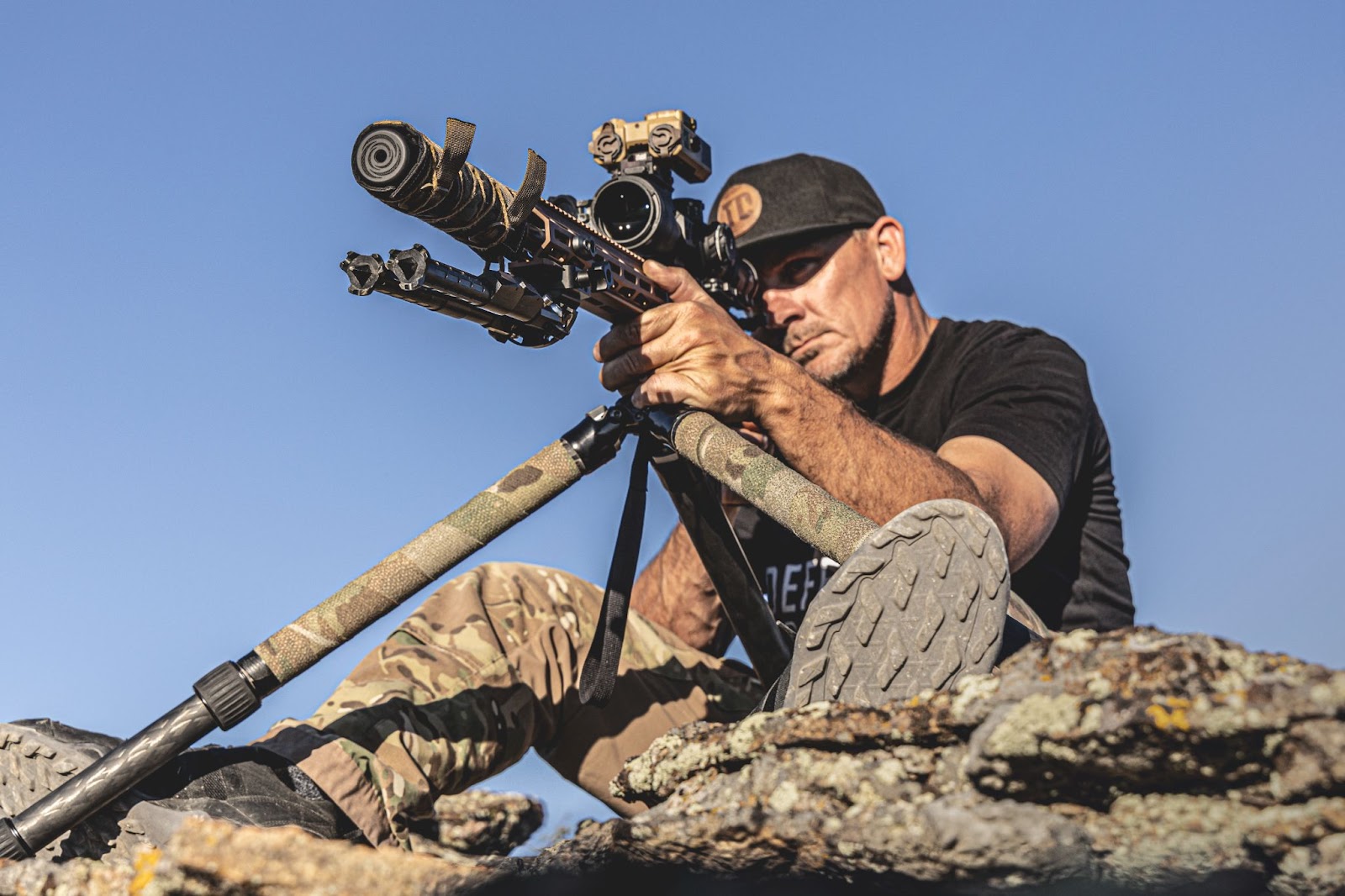
Practice your cold bore shot with a variety of rifle platforms and shooting positions.
WHAT IF YOUR GUN IS THE PROBLEM?
A hot barrel shift can be very concerning. I have found this to be extremely uncommon. Having only seen three in my career. A hot barrel shift is when I ask shooters to fire ten rounds as fast as accurately possible. What I'm watching for is a walking shift. This would mean the first two or three rounds impact where they should. Then they start to move further and further right, for example. I have even seen round 10 give a 6-inch shift from the original point of impact at 100 yards. Even a moderately skilled shooter rarely causes a 6-inch shift. This can be caused by a hot barrel shift or the connection between the suppressor and the barrel. If you find this trend, consider investigating your rifle and look for problems. Again, I have only seen this three times in my career. But it's something I normally check for with all of my shooters. Other than a hot barrel shift, cold training is more important for the shooter to learn to be proficient with since his or her first shot carries great importance.
In review, I find it more common that shooters are still warming up for the day during their cold bore shots. More often, I find a cold shooter than a cold barrel. With an experienced shooter, I find less and less of a cold bore shift.
Till next time.
Articles from Rob Orgel of Emergency Response Tactical
- Long-Range Hunting and Shot Placement
- Eye Dominance and Handedness Maximizing Speed and Efficiency
- Are You Ready for Your Hunt?
- Combat Readiness Regaining Mental Balance
- Bullet Expansion for Rifle Hunting
- Three Biggest Dangers During a Hunt
- Five Common Questions About NFA Items
- 5 Things to Know Before Buying a Suppressor
- Physical Fitness In The Military
- Sig Sauer SniperFest: Review and Key Takeaways
ABOUT THE AUTHOR
Rob Orgel enlisted in the USMC in 2004 as an Infantry Rifleman (0311), serving with 3rd Bn 1st Marines in Iraq, including roles as a point man in OIF-3 & team leader in OIF-6. Later, he joined the 1st Marine Regiment, achieved the rank of Sergeant in 2010, & continued service in Afghanistan. Upon returning, he became a Combat Instructor at the School Of Infantry West. Transitioning to private military contracting with Securing Our Country (SOC), he instructed at the American Embassy in Iraq. In 2018, Rob became Chief Instructor at GPS Defense Sniper School, revamping their program. Now, as owner & lead instructor at Emergency Response Tactical, he focuses on training novice to advanced shooters on the range over 300 days a year.
EVERY SHOOTER IS VITAL: A NOTE TO THE RIFLE COMMUNITY
MDT Renegade Ultra-Light Shooting Bag Wins On Target Magazine's Editor's Choice Award
Related Posts

5 Reasons You’d Still Choose a .308 Today

Tactical Gear Guy: MDT LSS Gen3 Review

Loading a Bipod: Does It Help or Hurt Precision Rifle Accuracy?

Mission-Ready: The MDT ACC Premier Gen 2 for Modern SWAT Sniper Teams

Impact Precision: The 6mm Dasher “Sleeper” Rifle

Three Critical Handloading Measurements

5 Benefits of Suppressors Beyond Sound Reduction on Precision Rifles


